
Uncovering the Secret World of Sustainable Building Materials for Eco-Friendly Homes
- Alexander Mutinda
- Feb 12, 2025
- 3 min read

In recent years, sustainability has become a hot topic, especially in construction and home building. As concerns about climate change and environmental degradation grow, many people are looking for eco-friendly homes made from sustainable materials. This blog will explore the world of sustainable building materials that benefit the environment and improve comfort and durability in living spaces.
Understanding Sustainable Building Materials
Sustainable building materials are sourced, made, and used in ways that limit their environmental impact. These materials are typically durable, energy-efficient, and help reduce carbon footprints. By choosing sustainable materials, homeowners can lower their ecological impact and create healthier living spaces.
The materials selected influence the home’s overall performance. From insulation to flooring, every ingredient affects energy consumption and comfort. By opting for eco-friendly materials, homeowners consciously promote sustainability and improve their homes' aesthetics and functionality.
Types of Sustainable Building Materials
1. Bamboo
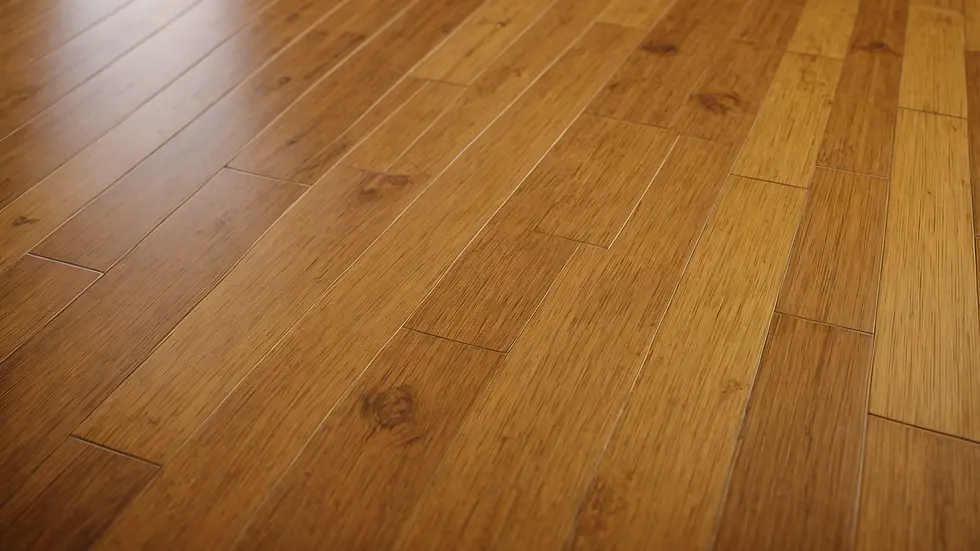
Bamboo is a rising star in sustainable construction due to its rapid growth. Unlike traditional timber that takes decades to mature, bamboo can be harvested in just three to five years. This quick turnaround makes it a renewable alternative that helps reduce deforestation.
Beyond its speed, bamboo is both lightweight and strong. It's used for flooring, cabinetry, and even structural elements. For instance, bamboo flooring can reduce energy costs by offering excellent insulation while adding a modern touch to any space.
2. Reclaimed Wood
Reclaimed wood comes from old buildings or furniture, giving it new life and reducing the need for freshly cut timber. This approach conserves natural resources and infuses homes with character.
For example, using reclaimed wood for flooring can save up to 30% compared to new wood, and it brings unique textures and history to a project. It’s often used for beams, furniture, and flooring, providing homeowners with distinctive aesthetics and saving money.
3. Straw Bales
Straw bale construction is an innovative and sustainable method that uses compressed straw bales as insulation and structural parts. Straw, an inexpensive byproduct from grain harvesting, is both accessible and eco-friendly.
Straw bale homes offer excellent insulation, maintaining steady temperatures and cutting energy bills by 30-50%. Additionally, using straw helps divert waste from landfills, further promoting sustainability.
The Advantages of Using Sustainable Materials
Using sustainable building materials has numerous benefits beyond environmental perks:
Energy Efficiency
Many sustainable materials have superior insulation, leading to reduced heating and cooling costs. This lowers energy bills significantly. For example, well-insulated homes can save homeowners up to $500 annually on energy expenses.
Healthier Indoor Air Quality
Sustainable materials often contain fewer harmful chemicals compared to conventional options. For instance, homes built with natural finishes can see a 40% reduction in indoor air pollutants, ensuring healthier spaces for families.
Longevity and Durability
Eco-friendly materials often boast longer lifespans. For example, homes with bamboo floors can last over 20 years, reducing the need for repairs and replacements, which saves money in the long run.
Economic Benefits
As more consumers demand sustainable materials, innovative products are being developed with better efficiency and lower costs. For instance, eco-friendly insulation is becoming 10-20% cheaper than traditional options as production processes improve.
How to Choose the Right Sustainable Materials
When selecting sustainable building materials for eco-friendly homes, consider these key factors:
Sourcing
Ensure that materials are responsibly sourced. Look for certifications indicating that they come from renewable resources and have minimal impact on the environment.
Local Availability
Opt for locally sourced materials whenever possible. This reduces transportation emissions and supports local economies. Additionally, regional materials often suit local climates better, enhancing a home’s performance.
Embracing a Sustainable Future
As we face climate change and resource depletion, the role of sustainable building materials is becoming clear. By investing in eco-friendly homes made from sources like bamboo, reclaimed wood, and straw bales, homeowners not only support a healthier planet but also enhance their living conditions.
With advantages like energy savings, improved indoor air quality, and economic benefits, embracing sustainable materials is a smart choice. It paves the way for a greener future and ensures that future generations can also enjoy the beauty and comfort our homes provide.

By making informed choices and prioritizing sustainability, we can uncover the secret world of eco-friendly materials and create homes that are not only beautiful but also kind to our planet.


Comments