
Exploring the Functionality and Design of Container Office Furnishings
- Alexander Mutinda
- Mar 8, 2025
- 4 min read

Container offices have rapidly gained popularity across various industries thanks to their flexibility and innovative use of space. These portable workspaces, constructed from shipping containers, offer sturdy materials and mobility advantages. As the demand for efficient work environments increases, the design and furnishings of these container offices have evolved significantly. They now harmonize practicality with style, setting the stage for modern professional needs.
The Rise of Container Offices
Container offices emerged as a smart solution to the challenges of traditional workspaces. Their modular design enables quick setup, making them perfect for temporary assignments, remote work, or even long-term installations in crowded urban settings.
A major driver behind the rise of container offices is the focus on sustainability. Reusing shipping containers not only reduces waste but also minimizes the carbon footprint associated with new construction. A 2021 study highlighted that repurposing these containers can decrease environmental impact by up to 30%. As more companies recognize these advantages, the design and furnishings of these spaces have become crucial for maximizing utility and appeal.
Key Elements of Container Office Design
Effective design is vital when working with the limited space of container offices. Unlike traditional offices, these spaces require thoughtful furnishings that enhance efficiency.
Space Optimization
To get the most out of a small area, container offices often incorporate multifunctional furniture. For instance, foldable desks allow for quick adjustments based on needs, while stackable chairs provide easy storage when not in use.
Modular furniture designs can utilize the unique dimensions of shipping containers, offering tailored setups that align with specific uses. For example, a workspace can include a corner desk that takes advantage of usually wasted space, boosting productivity in a more compact area.

Comfort and Aesthetics
While functionality is essential, the visual appeal of container offices also matters. A well-crafted space can improve productivity and provide a conducive work environment.
Color and Light
The color choices in a container office can significantly impact mood and efficiency. Light colors not only make small spaces appear larger but also create a more vibrant atmosphere. For example, shades of light blue and soft green can foster a calm and focused work setting.
Natural light is another critical element. Research shows that employees who work in naturally lit environments report a 15% uplift in productivity. Including windows or skylights enhances both light input and the overall ambiance, while personal touches—like potted plants or art—can ignite creativity and inspire.
Practical Furniture Solutions
The strategic selection of furnishings plays a crucial role in the functionality of container offices, which varies based on the intended purpose.
Desks and Workstations
Desks come in all varieties in container offices, from simple foldable models to larger, more permanent versions. Standing desks are trending, allowing users to alternate between sitting and standing throughout the day, leading to greater comfort and productivity.
Storage
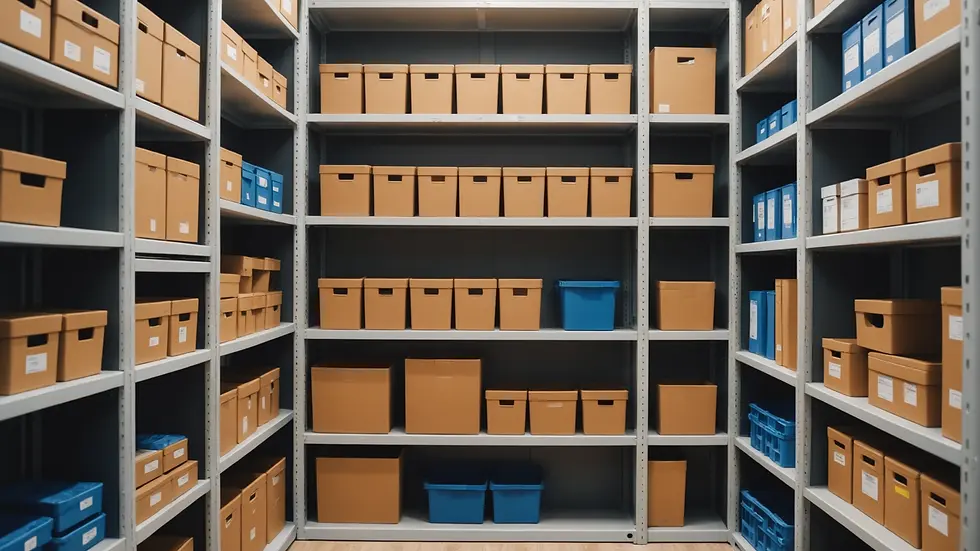
Effective storage solutions are critical in container office design. Wall-mounted shelves can be used to take advantage of vertical space while ensuring the ground remains clutter-free. Under-desk storage options like drawers can keep essentials close at hand without disrupting the workspace flow.
Seating
Comfortable seating is indispensable. Compact spaces call for well-designed, ergonomic chairs that support long hours of work without making the area feel cramped. Options like bean bags or lounge chairs provide casual seating alternatives, encouraging relaxation during breaks.
Innovative Technology Integration
Modern technology plays a vital role in enhancing container office productivity. Essential systems for access to the internet, power outlets, and smart lighting can transform the workspace.
Smart Solutions
Incorporating smart technology boosts efficiency significantly. For instance, smart thermostats learn usage patterns, allowing for energy-efficient climate control. Automated lighting systems can adjust based on natural light availability, leading to energy savings of up to 20%. By integrating these technologies, container offices create a more comfortable and productive environment.
Sustainability in Container Office Furnishings
Reflecting their eco-friendly roots, the furnishings in container offices can also emphasize sustainable choices. Opting for materials that are ethically sourced contributes to an overall green initiative.
Recycled and Upcycled Materials
Choosing furniture made from recycled or upcycled materials adds a unique flair to container offices. For instance, selecting reclaimed wood for desks not only enhances sustainability but also provides individual character and storytelling to the workspace. Upcycled materials can turn waste into artisan décor, supporting both style and environmental initiatives.
Future Trends in Container Office Design
As container offices continue to evolve, emerging design trends are worth noting. Future developments will likely focus on well-being, sustainability, and innovative functionality.
Biophilic Design
Emphasizing a connection to nature, biophilic design aims to improve overall well-being. Key components include plentiful natural materials, greenery, and abundant natural light. This approach is gaining traction and may become standard in container office furnishings.
The Path Ahead for Container Offices
Container offices present an exciting opportunity to redefine conventional workspaces, balancing functionality, aesthetics, and sustainability. Careful selection of furnishings and design elements can effectively transform these compact areas into environments that meet modern work-life balance needs. As trends shift, groundbreaking designs and sustainable options will continue to shape container office interiors.
By embracing principles of smart design, comfort, and sustainability, container offices are poised to make a lasting impact on future workspaces. These principles not only boost productivity but also create a flexible work environment, making container offices a brilliant choice for a range of industries.


Comments